Discovering the Best Teen Creativity Art Programs
Updated: Feb 3
Why Choose Teen Creativity Art Programs?
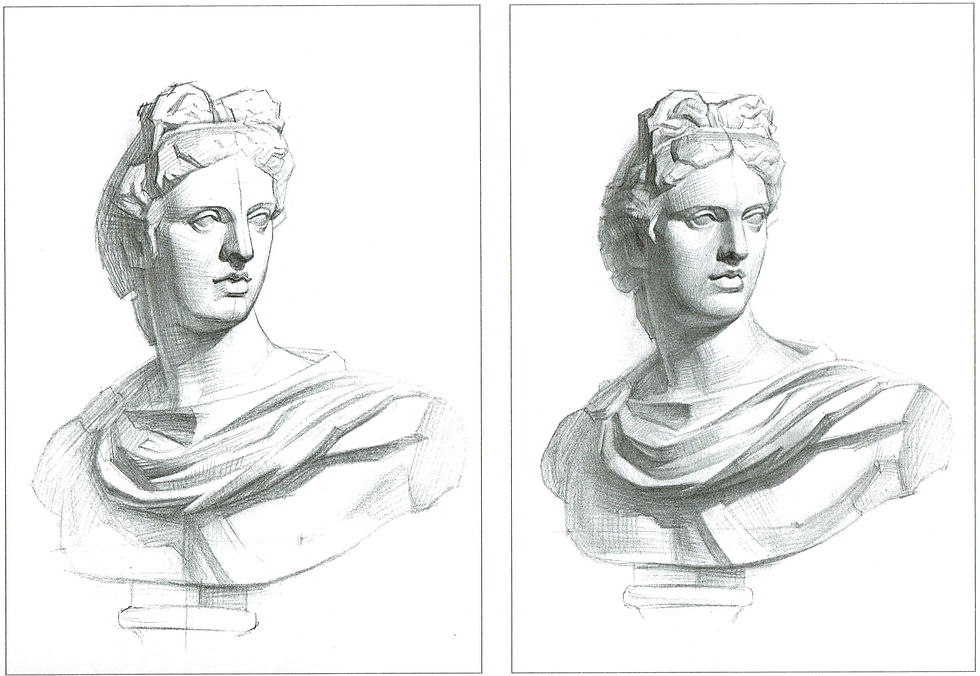
Teen creativity art programs are designed to meet the unique needs of young artists. They focus on classical art education, which emphasizes foundational skills such as drawing, painting, and composition. These programs help students understand the principles of art, including perspective and proportions, human and animal anatomy, plants and nature, color theory and harmony, design and patterns, observation and natural science, and the history of humanity through art we inherited from previous generations.
Participating in such programs offers several benefits:
Skill Development: Students learn precise techniques that form the basis of all great art.
Creative Exploration: Programs encourage experimentation within a structured environment.
Confidence Building: Mastering new skills boosts self-esteem and motivation.
Portfolio Preparation: For teens considering art schools, these programs provide valuable portfolio pieces.
Community Engagement: Students connect with peers who share their passion for art.
Screen-Free Environment: Teens learn to see the real physical world, encouraged to connect to it and understand it by learning to draw and paint artwork in the style of realism.
By enrolling in a teen creativity art program, young artists gain access to the award-winning master artist, Elena Roché, who guides them through each step of their artistic journey, passing the knowledge of the masters of old to the next generation. This friendly, mentor-style guidance is crucial for developing both technical proficiency and a unique artistic voice.

What to Look for in a Teen Creativity Art Program
Selecting the right program requires careful consideration. Here are key factors to evaluate:
Curriculum Focus
A strong curriculum should cover classical art fundamentals. Look for programs that teach:
Drawing from life and still life
Understanding light and shadow
Color mixing and application
Composition and design principles
Art history and classical masters
Instructor Expertise
Qualified instructors with experience in classical art education make a significant difference. They provide personalized feedback and encourage students to refine their techniques.
Class Size and Environment
Smaller class sizes allow for more individual attention. A nurturing and supportive environment fosters creativity and reduces anxiety.
Flexibility and Accessibility
Consider the program’s schedule and location. Programs that offer weekend classes may be convenient but not rigorous enough. After-school classes, while they may seem to extend the busy teen schedules, are worth the time because they offer a deeper dive into artistic development. Online options provide flexibility, but in-person art instruction is much more superior.
Opportunities for Growth
Look for programs that offer exhibitions, competitions, or advanced classes. These opportunities motivate students to push their boundaries and showcase their work.
Exploring the Best Teen Art Classes
One excellent option for young artists is the teen art classes offered by Classical Art Education in Los Angeles. These classes focus on classical techniques and provide a structured yet inspiring environment for teens to develop their skills.
What Makes These Classes Stand Out?
Comprehensive Curriculum: Students learn to draw and paint with precision, focusing on perspective, proportions, three-dimensional construction of objects, chiaroscuro, and color theory and harmony.
Experienced Instructors: Our teacher, Elena Roché, is a skilled artist who understands how to engage and challenge young learners.
Supportive Atmosphere: The classes encourage questions, experimentation, and individual expression.
Preparation for Advanced Study: The program prepares students for art school portfolios and various future artistic endeavors.
Sample Class Structure
A typical class might begin with a demonstration of a classical technique, followed by hands-on practice. Students receive individual critiques and guidance throughout the session. Projects range from still life for beginners to portrait and figure drawing and painting for advanced students, allowing each to apply what they learn in diverse ways. Video tutorials are available for students to review and help them practice at home.

How to Maximize the Benefits of Teen Creativity Art Programs
To get the most out of any art program, consider these practical tips:
Commit to Regular Practice
Consistency is key. Encourage daily or weekly practice outside of class to reinforce skills. Elena Roché encourages doing homework sketches and will give specific instructions to each student according to their ability. YouTube tutorials by Elena Roché are available as homework help. https://youtube.com/@elenaroche?si=1y-4KVTtr488b8MJ
Engage with Art History
Understanding the work of classical masters enriches technique and inspires creativity. Elena Roché takes students to local art museums for sketching and learning from the masters.
Seek Feedback Actively
Constructive criticism helps identify areas for improvement and fosters growth. Elena Roché uses tracing paper over students' works to reveal the hits and misses in their drawings. She identifies the common mistakes as natural and needed for students in order to rethink how they perceive the visual world.
Experiment with Different Mediums
Trying various materials like charcoal, watercolor, or oil paints broadens artistic experience. Occasionally, Elena Roché will introduce sculpture, pottery, and other craft-making to help students connect to the ancient art forms.
Participate in Exhibitions and Competitions
Showcasing work builds confidence and provides valuable exposure. Elena Roché will help select national and regional competitions for students who are ready to compete.
Set Personal Goals
Whether mastering a technique or completing a portfolio piece, goals keep motivation high. Elena Roché guides each student based on their readiness for taking their artwork to the next level.
Encouraging Lifelong Artistic Growth
The journey of artistic development does not end with a single program. The best teen creativity art programs lay the groundwork for a lifelong passion. They teach discipline, observation, and the joy of creation. As skills improve, young artists gain the confidence to explore new styles and ideas.
Moreover, these programs foster critical thinking and problem-solving skills. Art requires careful planning and adaptation, qualities that benefit all areas of life. By investing time in a quality art education, teens build a foundation that supports both personal and professional growth.
In conclusion, discovering the best teen creativity art programs involves finding a balance between classical technique and creative exploration. Programs like those offered by Classical Art Education provide this balance, nurturing young artists in a supportive environment. For those seeking to develop their artistic talents and prepare for future opportunities, enrolling in teen art classes is a valuable step.
I encourage all young artists to explore these programs and embrace the enriching experience of classical art education. The skills and confidence gained will serve them well throughout their creative journeys and beyond.


Comments